
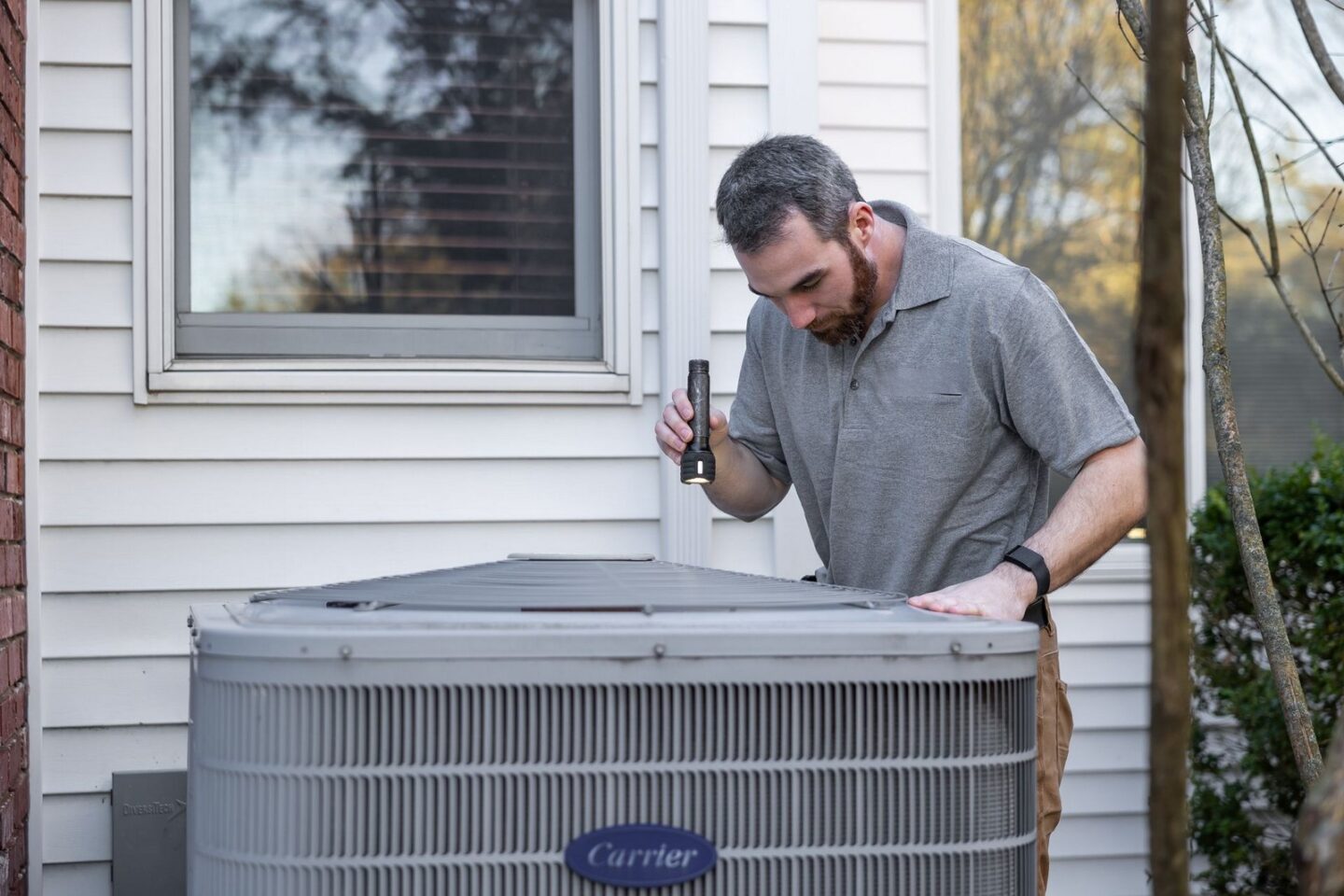

Heating and cooling systems play an important role in maintaining a comfortable indoor environment throughout the year. Whether you're dealing with an air conditioner that suddenly stops working, a furnace that struggles to produce heat, or an HVAC system that makes unusual noises, getting the right assistance at the right time can make a significant difference.
Unfortunately, heating and cooling problems don't always happen at convenient times. An air conditioner may break down during a particularly hot afternoon, while a heating system may stop working when temperatures drop. In either situation, knowing where to turn and what steps to take can help you avoid unnecessary discomfort, prevent further equipment damage, and restore your indoor environment as quickly as possible.
Understanding how to find reliable heating and cooling assistance is therefore essential for homeowners and property managers.
Understanding Your Heating and Cooling System
Before looking for HVAC assistance, it's helpful to understand what your heating and cooling system does and how its main components work together.
HVAC stands for heating, ventilation, and air conditioning. An HVAC system is designed to regulate indoor temperature, support air circulation, and help maintain indoor air quality.
Depending on the building and equipment installed, an HVAC system may include:
• Air conditioners: Remove heat from indoor spaces to provide cooling
• Heat pumps: Transfer heat to provide both heating and cooling
• Furnaces: Generate heat, commonly using natural gas, propane, or electricity
• Boilers: Heat water or produce steam for distribution through radiators or other heating equipment
• Ventilation systems: Circulate fresh air and help remove stale indoor air
• Thermostats: Allow occupants to control indoor temperature settings
• Ductwork: Distributes conditioned air throughout buildings in systems designed to use ducts
When one or more components malfunction, the entire system's performance may be affected.
Knowing which equipment you have can make it easier to explain the problem when contacting an HVAC professional.
Common Signs That You Need Heating or Cooling Assistance
Not every HVAC problem causes a complete system shutdown. In many cases, equipment provides warning signs before a major failure occurs.
Recognizing these symptoms early can help you arrange repairs before the problem becomes more expensive.
1. Your Air Conditioner Is Not Cooling Properly
One of the most noticeable HVAC problems occurs when an air conditioner runs but fails to produce sufficient cooling.
You may notice that rooms remain warm even when the thermostat is set to a lower temperature. Alternatively, the system may take much longer than usual to achieve the desired indoor conditions.
Possible causes include:
• Dirty or clogged air filters
• Refrigerant leaks
• Dirty evaporator or condenser coils
• Faulty thermostats
• Restricted airflow
• Malfunctioning compressors or fan motors
Some of these problems are relatively simple to resolve, while others require specialized equipment and professional diagnosis.
If basic checks do not resolve the issue, arrange an inspection rather than allowing the system to continue operating inefficiently.
2. Your Heating System Is Not Producing Enough Heat
During colder weather, a malfunctioning heating system can make indoor spaces uncomfortable.
You may notice that the furnace runs continuously without adequately warming the building. Other warning signs include inconsistent temperatures, weak airflow, or a heating system that frequently switches on and off.
Possible causes include thermostat problems, clogged filters, ignition issues, restricted airflow, or malfunctioning heating components.
If you have a gas furnace and notice a gas odor, leave the building and contact your gas utility or emergency services from a safe location. Do not attempt to investigate or repair a suspected gas leak yourself.
For other heating problems, a qualified HVAC technician can identify the cause and recommend appropriate repairs.
3. Unusual Noises Coming From Your HVAC Equipment
Heating and cooling systems generally produce some operating noise. However, sudden or unusually loud sounds may indicate a developing mechanical problem.
Common examples include:
• Rattling: May indicate loose panels, fasteners, or internal components
• Grinding: Could suggest a problem with a motor or moving component
• Hissing: May indicate airflow issues or, in some situations, a refrigerant leak
• Banging: Could point to loose or malfunctioning components
• Whistling: May result from restricted airflow or ductwork problems
Avoid ignoring unusual sounds, especially when they occur alongside reduced performance.
Switch off the equipment if you suspect an electrical or mechanical hazard, and arrange professional assistance.
4. Weak or Inconsistent Airflow
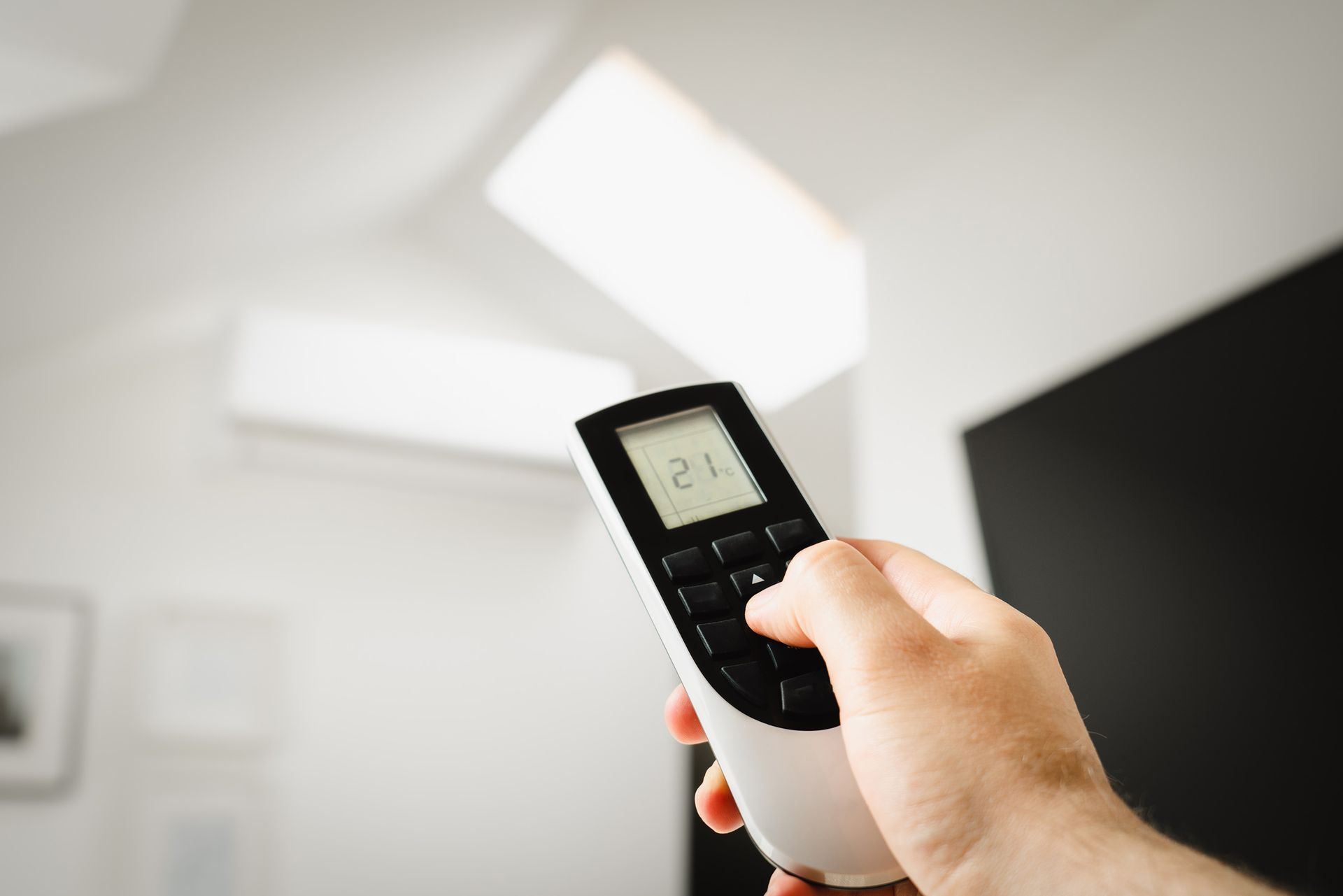
Your HVAC system should distribute conditioned air effectively throughout the spaces it serves.
If airflow from the vents becomes noticeably weaker, the problem could be related to a dirty air filter, blocked vents, ductwork restrictions, or a malfunctioning blower motor.
In some cases, a single room may remain uncomfortable while the rest of the building maintains the desired temperature.
A professional inspection can help determine whether the issue involves the equipment itself or the air distribution system.
5. Unexpected Increases in Energy Bills
An unexplained increase in heating or cooling expenses may indicate that your HVAC equipment is operating inefficiently.
For example, a dirty filter can restrict airflow and cause an air conditioner or furnace to work harder. Refrigerant problems, damaged ductwork, failing motors, and incorrect thermostat settings may also contribute to higher energy consumption.
Before assuming that the equipment needs replacement, have the system evaluated to identify possible causes.
ASAP HVAC: How to Get Heating and Cooling Help Quickly
When your heating or cooling system develops a problem, finding appropriate assistance should be your priority.
However, rushing into a repair without understanding the situation can lead to unnecessary expenses or ineffective solutions.
The following steps can help you find the right HVAC support.
Step 1: Identify the Problem and Its Symptoms
Start by observing what your heating or cooling system is doing. Is the air conditioner running without cooling? Is the furnace producing little or no heat? Are you hearing unusual sounds? Has the system stopped working completely?
Write down the symptoms and when they started.
It is also useful to identify whether the problem affects the entire building or only specific rooms.
Providing clear information will help an HVAC professional understand the situation and prepare for the service visit.
Step 2: Perform Basic Checks
Before arranging professional assistance, you can perform a few simple checks that do not involve opening equipment or handling electrical components.
Consider the following:
• Check whether the thermostat is set to the correct operating mode
• Confirm that the desired temperature setting is appropriate
• Check whether the thermostat batteries need replacing, if applicable
• Inspect the air filter and replace it if it is dirty
• Make sure supply and return vents are not obstructed
• Check whether the circuit breaker has tripped
Never repeatedly reset a breaker that continues to trip. This may indicate an electrical problem requiring professional attention.
Also, avoid opening sealed equipment compartments, handling refrigerant, or attempting repairs involving electrical wiring.
If these basic checks do not resolve the problem, contact a qualified HVAC technician.
Step 3: Find a Qualified HVAC Professional
Choosing the right technician is one of the most important parts of resolving a heating or cooling problem.
Look for professionals with relevant training, appropriate licensing where required, and experience working with your particular type of HVAC equipment.
Before scheduling a service appointment, consider asking:
• Does the technician have experience with my equipment?
• Are diagnostic inspections available?
• Can I receive a written repair estimate?
• Are emergency appointments available?
• Is there a warranty on the completed work?
• Are the parts and labor costs explained separately?
You should also check customer reviews, references, and the company's service policies.
A reliable HVAC professional should explain the problem clearly, discuss available solutions, and provide an estimate before undertaking significant work.
Step 4: Explain Whether the Problem Is Urgent
Not every HVAC malfunction requires emergency service. However, some situations should receive immediate attention.
For example, a complete cooling failure during extreme heat may create serious indoor safety concerns, particularly for young children, older adults, and people who are more vulnerable to heat.
Similarly, suspected gas leaks, smoke, burning odors, or exposed electrical hazards should never be treated as routine maintenance issues.
When contacting an HVAC service provider, explain the symptoms and any potential safety concerns.
This helps the provider determine the appropriate response and whether immediate assistance is necessary.
Step 5: Request a Diagnosis and Written Estimate
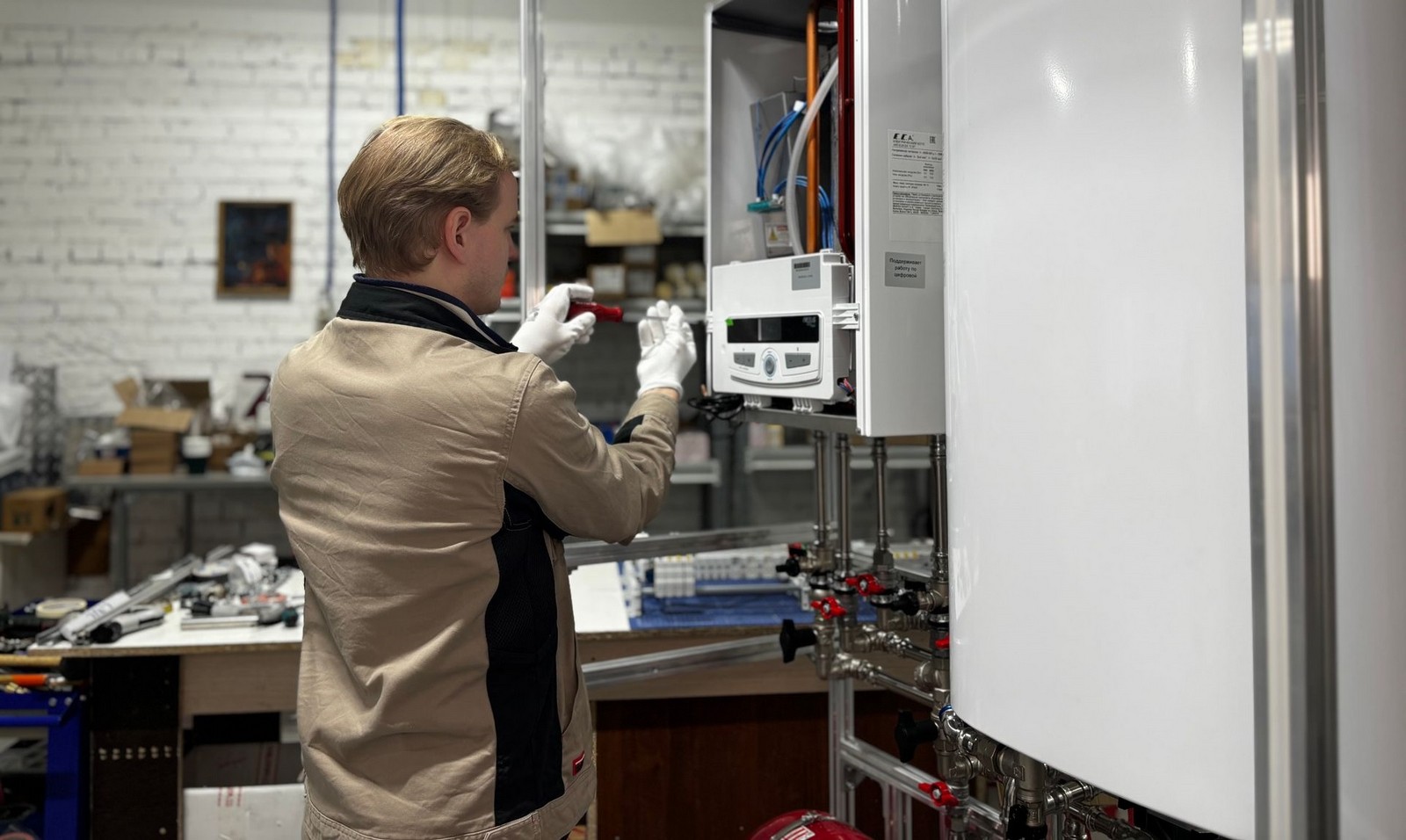
Once a technician arrives, allow them to inspect the equipment and identify the underlying problem. Avoid approving major repairs based solely on a general description of the symptoms.
Ask the technician to explain:
• What caused the malfunction
• Which components require attention
• Whether the problem can be repaired
• The estimated cost of the work
• Whether replacement should be considered
• How long the repair is expected to take
For expensive repairs, obtaining a second opinion may be worthwhile.
A proper diagnosis helps ensure that you are paying to resolve the actual problem rather than repeatedly treating its symptoms.
How to Prepare for an HVAC Service Appointment
A little preparation can make an HVAC service appointment more productive.
Before the technician arrives, consider taking these steps:
1. Record the symptoms: Note when the problem started, how frequently it occurs, and whether anything makes it better or worse.
2. Identify your equipment: If possible, record the system's manufacturer and model number. This information may be found on the equipment's identification label.
3. Clear access to the equipment: Move furniture, storage boxes, and other obstructions away from the thermostat, indoor unit, outdoor condenser, or furnace.
4. Gather maintenance records: Previous repair invoices and service reports can help the technician understand the equipment's history.
5. Prepare questions: Write down anything you want clarified, including repair costs, expected performance, warranty coverage, and maintenance recommendations.
Being prepared can help reduce delays and make it easier to understand the technician's findings.
Why Timely HVAC Assistance Matters
Delaying heating or cooling repairs can sometimes turn a relatively minor problem into a more expensive one.
For example, restricted airflow may cause an air conditioner to operate inefficiently. If the underlying problem is ignored, additional components may experience unnecessary strain.
Similarly, a small condensate drainage problem can lead to water leaks and potential property damage if left unresolved.
Timely professional assistance offers several benefits:
• Helps prevent certain minor problems from becoming major failures
• Supports consistent indoor comfort
• Helps maintain equipment efficiency
• Reduces the risk of unexpected system shutdowns
• Allows technicians to identify potential safety concerns
• Helps property owners make informed repair or replacement decisions
The sooner a problem is properly diagnosed, the more opportunities you may have to address it before additional complications develop.
Conclusion: Getting the Right Heating and Cooling Help When You Need It
A malfunctioning HVAC system can disrupt your comfort, affect indoor air quality, and create unnecessary stress. Whether you're dealing with an air conditioner that isn't cooling, a furnace that struggles to produce heat, or an HVAC system showing signs of deterioration, knowing how to obtain appropriate assistance is essential.
The key is to recognize warning signs early, perform only safe and basic checks, choose a qualified professional, and request a clear diagnosis before approving major repairs.
It is also important to remember that not every HVAC problem requires a complete equipment replacement. In many situations, a straightforward repair or routine maintenance may be sufficient to restore reliable operation.
By understanding your system and responding promptly when problems arise, you can make better decisions about maintaining your heating and cooling equipment.
Need Professional Heating or Cooling Assistance?
Whether you need air conditioning repair, heating system troubleshooting, HVAC installation, or routine maintenance, getting help from a qualified professional can make the process easier.
If you're looking for asap hvac services, explore available heating and cooling solutions and connect with a qualified HVAC technician who can assess your equipment and recommend an appropriate course of action.
Don't wait until a minor HVAC issue becomes a major inconvenience. Arrange a professional inspection, address developing problems early, and keep your heating and cooling system operating as reliably as possible.